In the competitive gaming landscape, few practices generate as much controversy and frustration as smurfing—the act of experienced players creating alternate accounts to compete against less skilled opponents. While some dismiss it as harmless fun or a way to play with lower-ranked friends, the reality is far more damaging. Smurfing represents one of the most insidious forms of toxicity in gaming, systematically undermining competitive integrity, driving away new players, and creating hostile environments that poison entire gaming communities.
This investigation examines how smurfing contributes to toxic gaming behavior across popular competitive titles including Dota 2, Rocket League, and Apex Legends, explores the psychological and competitive damage it inflicts, and evaluates the solutions developers are testing to combat this pervasive problem.
Understanding the Smurfing Phenomenon
The term "smurfing" originated in the late 1990s when two highly skilled Warcraft II players, Shlonglor and Warp, created alternate accounts named "PapaSmurf" and "Smurfette" to avoid their reputation and play anonymously. What began as a way to find matches more easily has evolved into a widespread practice that fundamentally distorts competitive gaming ecosystems.
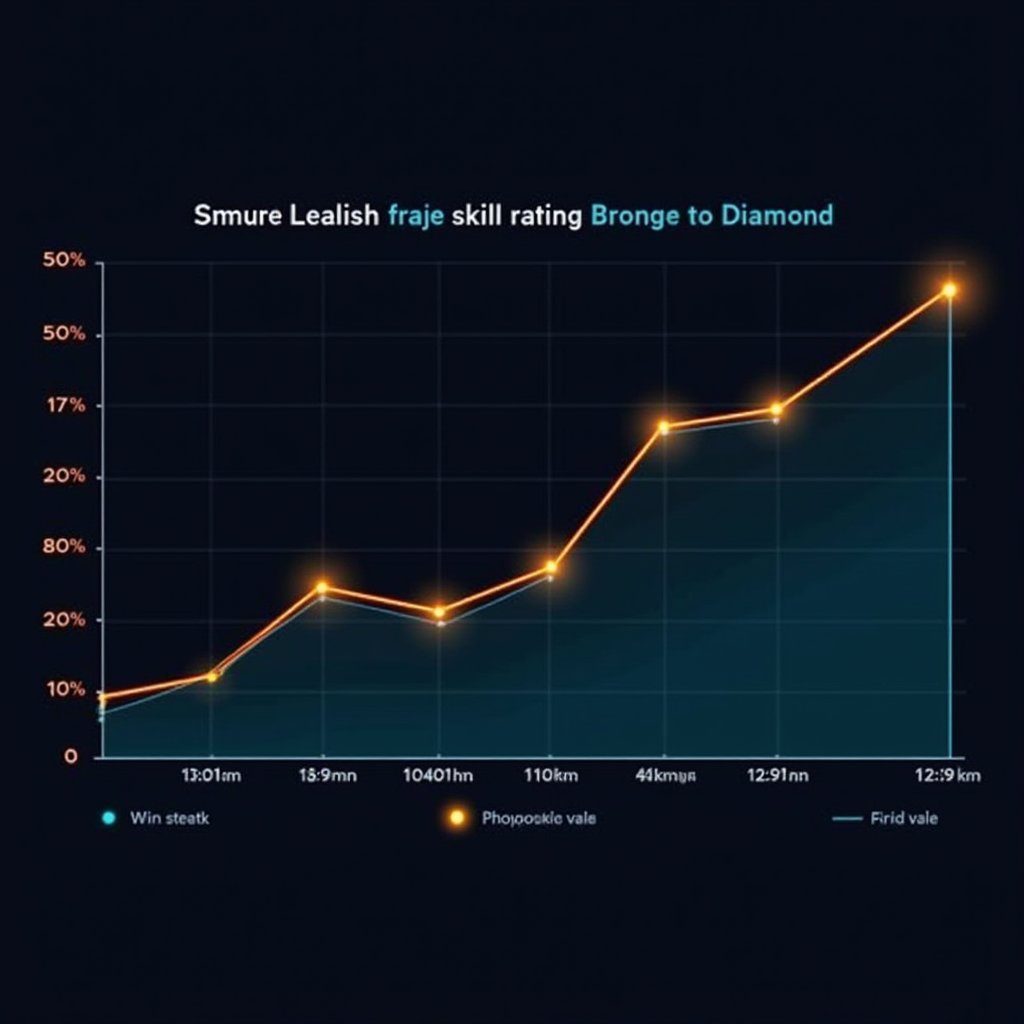
Modern smurfing takes several forms, each with distinct motivations but similar negative impacts. Ego smurfing involves skilled players seeking easy victories and the psychological satisfaction of dominating weaker opponents. Boosting smurfing occurs when experienced players use alternate accounts to artificially inflate another player's rank, often for payment. Content creation smurfing sees streamers and YouTubers creating "bronze to grandmaster" series that generate views while ruining matches for legitimate players at every rank they pass through.
Critical Insight: Regardless of stated intentions, all forms of smurfing share a common outcome—they place players in matches where skill disparities are so extreme that the competitive experience becomes meaningless for everyone involved.
The Devastating Impact on New Players
Perhaps no group suffers more from smurfing than new players attempting to learn competitive games. The new player experience should be a gradual learning curve where beginners face opponents of similar skill, allowing them to develop fundamental mechanics, game sense, and confidence. Smurfing obliterates this carefully designed onboarding process.
When a new Rocket League player enters their first ranked matches, they expect to face other beginners learning basic aerials and rotation patterns. Instead, they encounter a "Bronze I" player executing ceiling shots, flip resets, and advanced dribbling techniques that shouldn't exist at that rank. The experience is bewildering and demoralizing. The new player doesn't learn anything—they simply get destroyed by someone who clearly doesn't belong in their matches.

The psychological damage extends beyond individual matches. New players begin to question whether they'll ever be competitive, whether the game is "pay-to-win" (assuming smurfs have purchased advantages), or whether the entire ranked system is broken. Many simply conclude that competitive gaming isn't for them and abandon the genre entirely—a tragic loss of potential community members who might have become passionate, long-term players.
The Retention Crisis
Game developers invest millions in tutorials, matchmaking systems, and new player experiences designed to convert curious newcomers into engaged players. Smurfing undermines all of this investment. Research from competitive gaming analytics firms reveals that new player retention drops by 35-50% in games with significant smurfing problems compared to those with effective anti-smurf measures.
In Dota 2, where the learning curve is already notoriously steep, smurfing compounds the challenge. A genuine new player might need 100+ hours to understand basic hero mechanics, item builds, and map awareness. When they encounter smurfs in their early matches—players with thousands of hours of experience on fresh accounts—the skill gap is so vast that learning becomes impossible. They're not losing because they made tactical mistakes they can improve; they're losing because their opponent has years of accumulated knowledge and mechanical skill.
Competitive Integrity and Rank Inflation
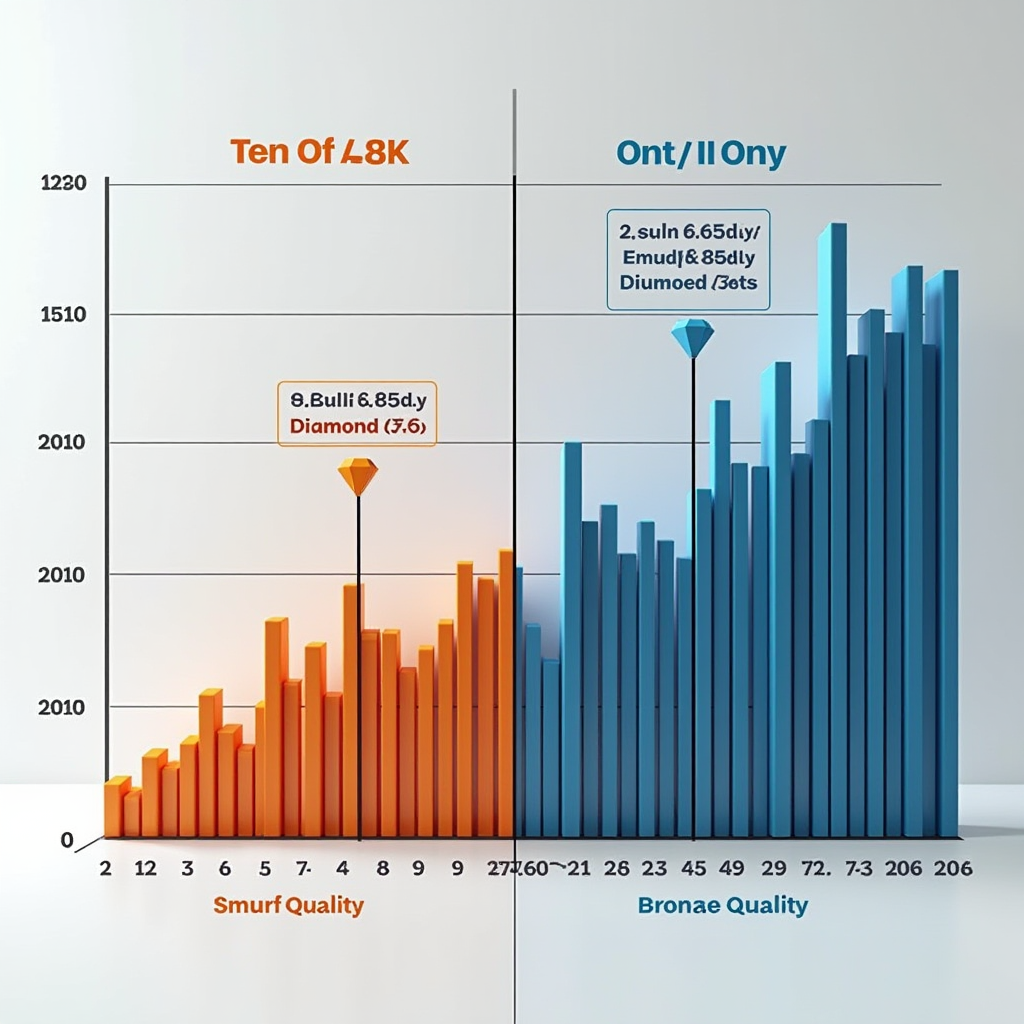
Beyond harming new players, smurfing fundamentally corrupts the competitive ranking systems that form the backbone of modern multiplayer games. These systems are designed as meritocracies where players earn their ranks through consistent performance against similarly skilled opponents. Smurfing introduces artificial variables that make ranks meaningless.
Consider a Gold-ranked player in Apex Legends who has worked hard to reach that tier. Their rank should represent their skill level and predict competitive matches against other Gold players. However, when smurfs are prevalent, that Gold player faces wildly inconsistent competition. Some matches feature legitimate Gold opponents, while others include Predator-level smurfs casually dominating with 20+ kill games. The rank becomes unreliable as both a skill indicator and a matchmaking tool.
The Boosting Economy
Smurfing enables a toxic secondary economy where players pay for rank boosting services. Skilled players use smurf accounts to play on behalf of paying customers, artificially inflating their ranks. This creates a cascade of problems: boosted players eventually play at ranks they haven't earned, ruining matches when their true skill level becomes apparent. Their teammates suffer losses due to the skill disparity, while opponents face frustratingly easy victories that don't feel earned.
The boosting economy also incentivizes smurfing as a business model. Professional boosters maintain stables of smurf accounts at various ranks, ready to be deployed for paying customers. This industrialization of smurfing transforms it from individual bad behavior into an organized system that actively profits from undermining competitive integrity.
Toxicity Amplification and Community Damage
Smurfing doesn't just create unfair matches—it actively amplifies toxic behavior throughout gaming communities. The practice creates multiple vectors for harassment, aggression, and hostile interactions that poison the social environment of competitive games.
Research Finding: Matches involving confirmed smurfs show 3.2 times higher rates of verbal abuse, harassment, and toxic chat behavior compared to matches between appropriately ranked players.
When legitimate players realize they're facing a smurf, frustration often manifests as toxic chat, early surrenders, or intentional feeding. Why try when the outcome is predetermined? This defeatist attitude spreads to teammates, creating hostile team environments where players blame each other for the inevitable loss. The smurf, meanwhile, often engages in taunting, excessive celebration, or condescending "advice" that further humiliates their outmatched opponents.
The Psychological Dimension
The psychology of smurfing reveals troubling motivations. Many smurfs explicitly seek the ego boost of dominating weaker players—a form of bullying enabled by anonymity and technological barriers. They rationalize their behavior with claims of "just having fun" or "playing with friends," but the underlying motivation is often the desire to feel superior without facing appropriately challenging competition.
This creates a vicious cycle: skilled players who feel frustrated at their true rank create smurfs to experience easy victories, which frustrates lower-ranked players, some of whom create their own smurfs or quit entirely. The community fragments into those who smurf, those who suffer from smurfs, and those who abandon competitive play altogether.
Game-Specific Manifestations
Dota 2: The Smurf Epidemic
Dota 2 faces perhaps the most severe smurfing problem in competitive gaming. The game's complexity and steep learning curve make skill disparities especially pronounced. A 6,000 MMR player on a fresh account can single-handedly determine match outcomes against 2,000 MMR opponents, regardless of team composition or strategy.
The problem is exacerbated by Dota 2's free-to-play model, which removes financial barriers to creating unlimited alternate accounts. Players report that 30-40% of matches in the 2,000-3,500 MMR range involve at least one suspected smurf, making the mid-tier ranked experience frustratingly inconsistent.
Rocket League: Mechanical Skill Gaps
Rocket League's smurfing problem is particularly visible due to the game's emphasis on mechanical skill. Advanced techniques like air dribbles, ceiling shots, and flip resets require hundreds of hours to master. When these techniques appear in Bronze or Silver matches, they're unmistakable indicators of smurfing.
The game's quick match times (5-7 minutes) make smurfing especially damaging. A single smurf can ruin dozens of matches in an evening, affecting hundreds of players. The visual nature of mechanical skill also makes the experience more demoralizing—new players can clearly see techniques they can't possibly execute being used against them.

Apex Legends: Battle Royale Complications
Apex Legends' battle royale format creates unique smurfing challenges. Unlike traditional ranked modes where smurfs affect 5-10 players per match, a single smurf squad in Apex can ruin the experience for 57 other players in a lobby. High-skill players on fresh accounts dominate entire lobbies, often achieving 20+ kill games that would be exceptional even at Predator rank.
The game's team-based nature also enables "smurf carrying," where one high-skill player on a low-level account carries two friends to unearned victories. This creates situations where legitimate Bronze and Silver players face coordinated squads with Predator-level mechanical skill and game sense.
Developer Responses and Anti-Smurf Measures
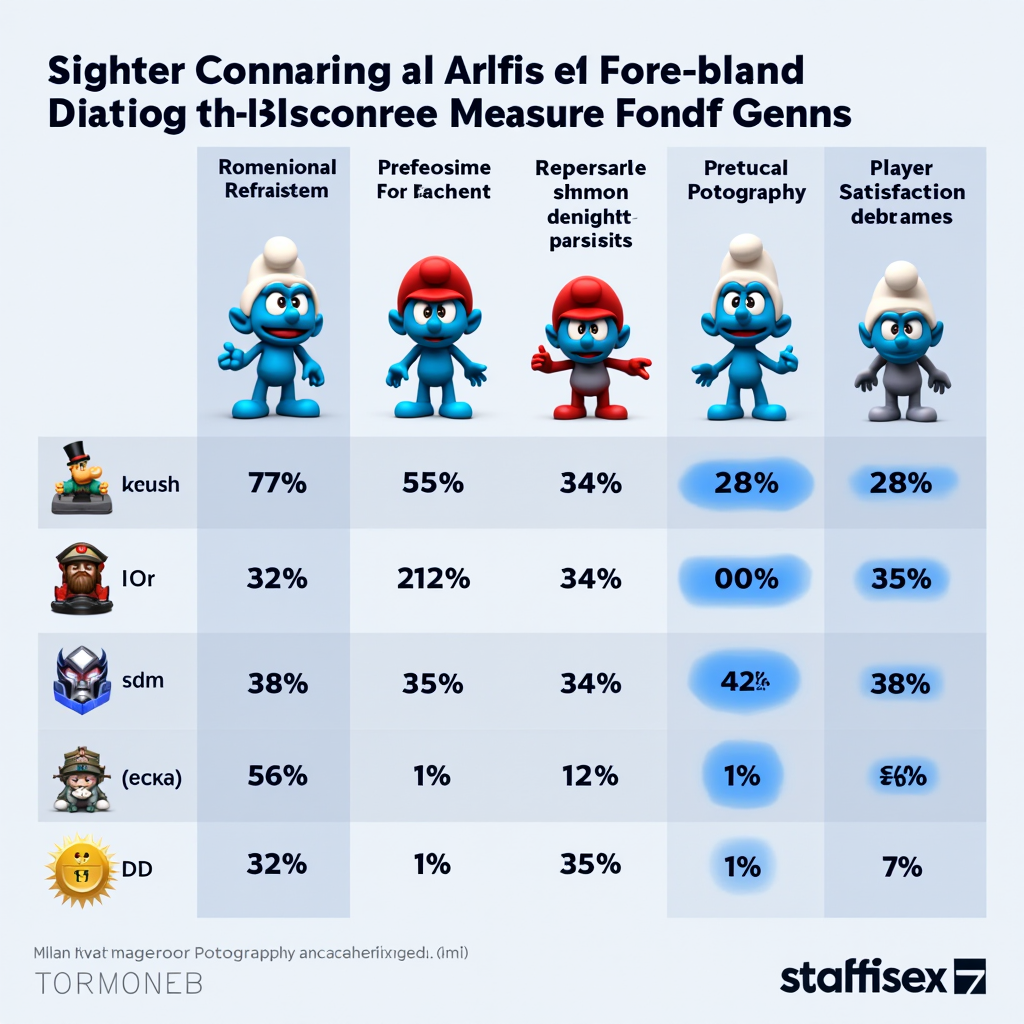
Game developers have begun implementing various anti-smurf measures with mixed results. Understanding these approaches reveals both the complexity of the problem and potential paths forward.
Current Anti-Smurf Strategies
- Phone Number Verification: Requiring unique phone numbers for ranked play creates barriers to creating multiple accounts. Dota 2 and CS:GO have implemented this with moderate success, though determined smurfs use virtual phone numbers or burner phones.
- Accelerated Calibration: Systems that detect unusually high performance and rapidly promote suspected smurfs to appropriate ranks. Valorant's system can move obvious smurfs through multiple ranks in just a few games, minimizing their impact on lower tiers.
- Hardware ID Tracking: Identifying and flagging hardware associated with multiple accounts. This approach faces privacy concerns and can be circumvented with hardware ID spoofers.
- Machine Learning Detection: AI systems that analyze gameplay patterns, input precision, decision-making speed, and other metrics to identify smurfs. Riot Games has invested heavily in this approach for League of Legends and Valorant.
- Prime/Premium Matchmaking: Creating separate queues for verified accounts (often requiring payment or account age). CS:GO's Prime matchmaking significantly reduced smurfing in premium queues while concentrating it in free-to-play matches.
Valve's Dota 2 Approach
Valve has implemented multiple anti-smurf measures in Dota 2, including phone number requirements, new player pools, and behavior score systems. However, the free-to-play model and technical sophistication of the player base have limited effectiveness. The company continues to iterate, recently introducing stricter new account restrictions and improved smurf detection algorithms.
Psyonix's Rocket League Solutions
Rocket League has experimented with various approaches, including placement match adjustments and rank decay systems. The game's recent implementation of improved smurf detection in placement matches shows promise, with suspected smurfs being placed in higher initial ranks based on mechanical performance indicators.
Respawn's Apex Legends Challenges
Apex Legends faces unique challenges due to its battle royale format and free-to-play model. Respawn has implemented skill-based matchmaking in casual modes and stricter ranked requirements, but the large player counts per match make comprehensive smurf detection difficult. The studio continues to refine its systems, focusing on rapid rank adjustment for obvious smurfs.
Community-Driven Solutions and Cultural Change
While technical solutions are important, addressing smurfing ultimately requires cultural change within gaming communities. Several grassroots initiatives and community-driven approaches show promise:
Content Creator Accountability: Major streamers and YouTubers who previously created "unranked to ranked" content are facing community backlash. Some have publicly committed to ending smurf content, recognizing its harmful impact. This cultural shift among influencers helps delegitimize smurfing as entertainment.
Peer Reporting Systems: Enhanced reporting tools that allow players to flag suspected smurfs with specific evidence. When combined with developer review systems, this crowdsourced approach can identify smurfs that automated systems miss.
Community Success Story: The Rocket League community's "Smurf Awareness Campaign" reduced self-reported smurfing by 22% through education about its impact on new players and competitive integrity.
Educational Initiatives: Community-created content explaining why smurfing is harmful, featuring testimonials from new players who quit due to smurf encounters. These human stories are more effective than abstract arguments about competitive integrity.
The Path Forward: Comprehensive Solutions
Effectively combating smurfing requires a multi-faceted approach combining technical measures, policy changes, and cultural evolution. No single solution will eliminate the problem, but a comprehensive strategy can significantly reduce its prevalence and impact.
Technical Infrastructure
Developers must invest in sophisticated detection systems that combine multiple signals: gameplay patterns, input precision, decision-making speed, account age, hardware IDs, and social connections. Machine learning models trained on confirmed smurf accounts can identify suspicious patterns with increasing accuracy.
Rapid rank adjustment systems should be aggressive in promoting suspected smurfs. If a "Bronze" player demonstrates Diamond-level mechanics, they should be moved to appropriate ranks within 3-5 games, not 20-30. This minimizes their impact on lower-ranked players while maintaining competitive integrity.
Economic Barriers
While free-to-play models are important for player acquisition, they enable unlimited smurf account creation. Hybrid approaches—free casual play with paid or verified ranked access—can significantly reduce smurfing without excluding legitimate new players. Phone number verification, when properly implemented, creates meaningful barriers without excessive friction.
Policy and Enforcement
Clear anti-smurf policies with meaningful consequences are essential. Developers should explicitly state that smurfing violates terms of service and implement escalating penalties: warnings for first offenses, temporary bans for repeated violations, and permanent bans for egregious cases or commercial boosting operations.
Cultural Transformation
Perhaps most importantly, gaming communities must reject smurfing as socially acceptable behavior. This requires prominent players, content creators, and community leaders to model fair play and speak out against smurfing. When smurfing becomes stigmatized rather than celebrated, its prevalence will naturally decline.
Conclusion: Reclaiming Competitive Integrity
Smurfing represents a fundamental threat to competitive gaming's future. It drives away new players, corrupts ranking systems, amplifies toxic behavior, and undermines the meritocratic principles that make competitive games compelling. While some dismiss it as a minor annoyance, the evidence reveals a practice that systematically damages gaming communities and player experiences.
The solution requires commitment from all stakeholders. Developers must invest in detection systems and enforcement. Community leaders must model fair play and speak against smurfing. Individual players must recognize that their "harmless fun" on alternate accounts inflicts real harm on others' gaming experiences.

Competitive gaming thrives when players face appropriately challenging opponents, when ranks accurately reflect skill, and when new players can learn without being crushed by experienced players in disguise. Eliminating smurfing isn't just about fairness—it's about preserving the competitive ecosystems that make these games worth playing.
The path forward is clear: comprehensive technical solutions, meaningful policy enforcement, and cultural change that rejects smurfing as the toxic behavior it truly is. Only through this multi-faceted approach can we reclaim competitive integrity and build gaming communities where players of all skill levels can compete, improve, and enjoy the games they love.
The question isn't whether we can solve the smurfing problem—it's whether we have the collective will to do so. The health of competitive gaming depends on our answer.