About FairGame Culture
Dedicated to understanding, analyzing, and transforming toxic gaming behavior into healthier, more inclusive online communities through research, advocacy, and actionable insights.
Our Mission: Building Healthier Gaming Communities
FairGame Culture was founded on the belief that online gaming should be an inclusive, enjoyable experience for everyone. We recognize that toxicity in gaming—from hate speech in game chats to aggressive PvP behavior and hostile community dynamics—has become a pervasive issue that drives players away and diminishes the joy of gaming.

Our mission is threefold: to investigate the root causes of toxic gaming behavior, to highlight effective moderation tools and reporting systems, and to provide strategies that help developers, moderators, and players build more positive gaming environments. We believe that by understanding the psychology behind online harassment in games and anti-social gaming behavior, we can develop better solutions.
Research & Analysis
We conduct in-depth research into toxicity in gaming, examining patterns of hate in game chats, PvP aggression, and the effectiveness of various game moderation systems. Our analysis helps identify what works and what doesn't in combating toxic gameplay.
Community Education
Through our blog and resources, we educate gamers, developers, and community managers about the impact of toxic gaming behavior and provide practical strategies for fostering healthy gaming communities. Knowledge is the first step toward change.
Advocacy & Solutions
We advocate for better ban and report culture, improved moderation tools, and game design choices that discourage anti-social gaming behavior. Our goal is to influence industry practices and empower communities to take action.
Why Toxicity in Gaming Matters
The gaming industry has grown into a multi-billion dollar global phenomenon, connecting millions of players across continents. However, this growth has been accompanied by a dark side: widespread toxic gaming behavior that manifests in various forms, from verbal abuse and harassment to griefing and intentional sabotage.
The Real Cost of Toxic Behavior
Research shows that online harassment in games drives away significant portions of the player base, particularly women, LGBTQ+ individuals, and younger players. This not only creates a less diverse gaming ecosystem but also represents lost revenue for game developers and publishers. More importantly, it causes real psychological harm to victims, contributing to anxiety, depression, and social isolation.
Toxic gameplay doesn't just affect individual players—it degrades entire communities. When hate in game chats goes unchecked, it normalizes abusive behavior and creates environments where new players feel unwelcome. PvP aggression that crosses the line from competitive play to harassment can turn exciting game modes into sources of stress and frustration.
Understanding the Root Causes
At FairGame Culture, we dig deep into the psychology and sociology behind toxic gaming behavior. We examine factors such as anonymity, competitive pressure, lack of consequences, poor game design, and inadequate moderation. By understanding these root causes, we can develop more effective interventions.
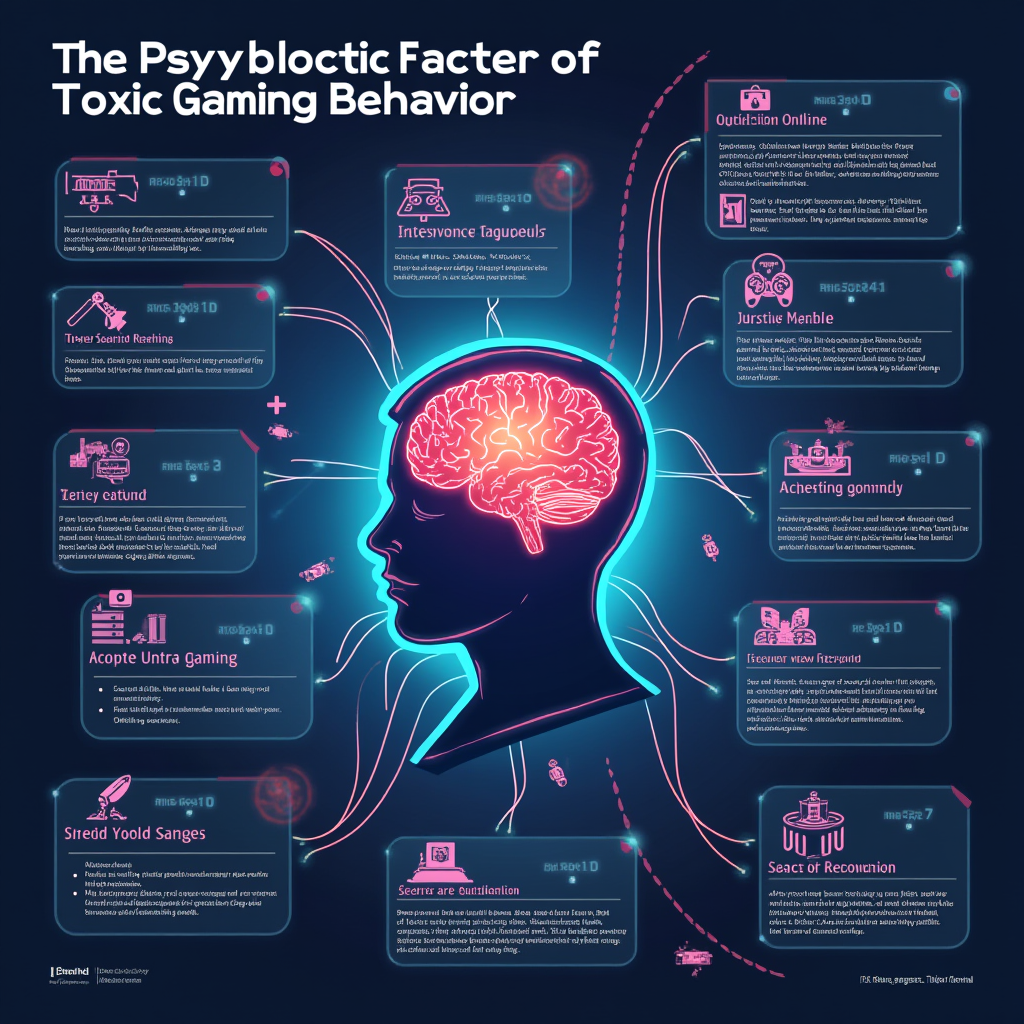
We also recognize that not all toxic behavior stems from malicious intent. Sometimes, players engage in anti-social gaming behavior due to frustration, lack of social skills, or simply not understanding the impact of their actions. This is why education and clear community standards are so important.
Our Approach to Solutions
FairGame Culture takes a comprehensive, evidence-based approach to addressing toxicity in gaming. We believe that effective solutions require collaboration between game developers, platform providers, community moderators, and players themselves.
Effective Moderation Systems
We analyze and promote game moderation systems that actually work, from AI-powered chat filters to human moderation teams. We examine ban and report culture to understand what makes reporting systems effective and how to prevent abuse of these tools.
Design for Positive Behavior
We advocate for game design choices that encourage cooperation and discourage toxic gameplay. This includes reward systems that recognize positive behavior, matchmaking that separates toxic players, and communication tools that give players control over their experience.
Community Empowerment
We provide resources and strategies that help gaming communities self-regulate and build healthy gaming communities. This includes guidelines for community managers, tools for players to protect themselves, and frameworks for establishing positive community norms.
Transparency & Accountability
We believe in holding game companies accountable for addressing online harassment in games. We track industry responses to toxicity, highlight best practices, and call out inadequate efforts. Transparency in moderation decisions and consequences is essential.
Research-Driven Insights
All our recommendations are grounded in research, data analysis, and real-world case studies. We collaborate with academics, industry professionals, and community leaders to ensure our insights are accurate and actionable.
Inclusive Perspectives
We prioritize voices from marginalized communities who are disproportionately affected by toxic gaming behavior. Understanding diverse experiences is crucial to developing solutions that work for everyone.
Meet Our Team
FairGame Culture is powered by a diverse team of gaming enthusiasts, researchers, community managers, and advocates who are passionate about creating better online gaming experiences.
Dr. Marina Santos
PhD in Social Psychology with 10+ years researching online behavior and gaming communities. Marina's work focuses on understanding the psychological mechanisms behind toxic gaming behavior and developing evidence-based interventions.

Alex Chen
Former community manager for major gaming studios with extensive experience implementing moderation systems and building positive gaming communities. Alex brings practical insights from the front lines of community management.

Jordan Williams
Specializes in analyzing gaming behavior data, tracking trends in online harassment in games, and measuring the effectiveness of various game moderation systems. Jordan's data-driven approach helps us understand what really works.

Priya Patel
Award-winning gaming journalist and content creator who translates complex research into accessible, engaging content. Priya ensures our message reaches and resonates with diverse gaming audiences.

Marcus Johnson
Veteran game designer with 15+ years in the industry. Marcus advises on how game mechanics and design choices can either encourage or discourage toxic gameplay, helping developers build better systems from the ground up.

Sofia Rodriguez
Specializes in gaming law, platform liability, and content moderation policy. Sofia helps us navigate the legal landscape of online harassment and advocates for stronger industry standards and regulations.
Our Impact & Achievements
Since our founding in 2021, FairGame Culture has become a trusted voice in the conversation about toxicity in gaming. Our research has been cited by major gaming publications, our recommendations have influenced moderation policies at several game studios, and our community resources have helped thousands of players and moderators.
Key Milestones
In 2022, our comprehensive report on hate in game chats led to three major gaming platforms implementing improved reporting systems. Our analysis of PvP aggression patterns helped a leading competitive game redesign its matchmaking system to reduce toxic encounters. In 2024, we launched our Community Moderator Certification Program, which has trained over 500 volunteer moderators in effective, trauma-informed moderation practices.
We've also been invited to speak at major gaming industry conferences, including GDC, PAX, and the Game Developers Choice Awards. Our work has been featured in publications such as Polygon, Kotaku, PC Gamer, and The Verge. Most importantly, we've heard from countless players who tell us that our resources have helped them feel safer and more empowered in their gaming communities.
Our Core Values
Everything we do at FairGame Culture is guided by a set of core values that reflect our commitment to creating healthier gaming communities and combating toxic gaming behavior in all its forms.
Evidence-Based Approach
We believe in the power of research and data. All our recommendations and analyses are grounded in rigorous research, whether that's academic studies, industry data, or our own original research. We don't rely on anecdotes or assumptions—we look at what the evidence actually shows about online harassment in games and what interventions are most effective.
Inclusivity & Representation
We recognize that toxic gaming behavior disproportionately affects marginalized communities. Our work prioritizes the voices and experiences of women, LGBTQ+ gamers, people of color, and other groups who face heightened levels of harassment. We believe that healthy gaming communities are inclusive communities where everyone can participate safely.
Practical Solutions
While we value research and analysis, our ultimate goal is to create real change. We focus on developing practical, actionable solutions that game developers, community managers, and players can actually implement. Whether it's a specific moderation tool, a community guideline template, or a player safety feature, we prioritize solutions that work in the real world.
Accountability & Transparency
We hold ourselves and the gaming industry to high standards. We're transparent about our methods, our funding, and our partnerships. We're not afraid to call out inadequate responses to toxicity in gaming or to highlight when companies fail to protect their players. At the same time, we celebrate and promote best practices when we see them.
Continuous Learning
The gaming landscape is constantly evolving, and so are the forms that toxic gaming behavior takes. We're committed to staying current with the latest research, technology, and community practices. We regularly update our recommendations based on new evidence and feedback from the communities we serve.
Looking Forward: The Future of Gaming Communities
We envision a future where toxicity in gaming is the exception rather than the norm. A future where game moderation systems are sophisticated enough to catch harmful behavior quickly while respecting player privacy and freedom of expression. A future where ban and report culture is fair, transparent, and effective. A future where game design inherently encourages positive social interactions and discourages anti-social gaming behavior.

This vision is achievable, but it requires sustained effort from all stakeholders in the gaming ecosystem. Developers need to prioritize player safety in their design decisions. Platform providers need to invest in robust moderation infrastructure. Community managers need training and support to handle complex situations. And players need to understand their role in creating the communities they want to be part of.
Our Ongoing Initiatives
We're currently working on several major initiatives to advance this vision. Our 2024 research agenda includes a comprehensive study of AI-powered moderation tools, an analysis of the effectiveness of different reporting system designs, and a longitudinal study tracking how exposure to toxic gameplay affects player retention and mental health.
We're also expanding our educational resources, developing a free online course on community management best practices, and creating a toolkit for indie developers who want to build healthy gaming communities from day one but may lack the resources of larger studios.
Additionally, we're launching a certification program for games that meet our standards for player safety and community health. This "FairGame Certified" designation will help players identify games that take toxicity seriously and have implemented effective measures to combat online harassment in games.
Join Us in Building Better Gaming Communities
Whether you're a game developer, community manager, researcher, or passionate gamer, there's a place for you in the FairGame Culture community. Together, we can combat toxic gaming behavior and create the inclusive, welcoming gaming environments that everyone deserves.
Get in Touch