Understanding and Combating Toxicity in Gaming Culture

Explore in-depth analysis of toxic gaming behavior, from chat abuse to PvP aggression, and discover evidence-based strategies for building healthier, more inclusive gaming communities through effective moderation and positive culture change.

Diverse group of gamers collaborating in a positive online gaming environment, representing healthy community dynamics and inclusive gaming culture

Our Commitment to Healthier Gaming

FairGame Culture is dedicated to researching, analyzing, and addressing toxic gaming behavior through evidence-based insights and practical solutions for players, developers, and community managers.

In-Depth Research

We analyze patterns of online harassment in games, toxic gameplay mechanics, and the psychological factors behind anti-social gaming behavior to provide comprehensive understanding.

Moderation Solutions

Explore effective game moderation systems, reporting mechanisms, and ban culture strategies that help developers and communities combat hate in game chats and toxic behavior.

Community Building

Learn strategies for fostering healthy gaming communities, reducing PvP aggression, and creating inclusive environments where players can enjoy competitive gaming without toxicity.

Key Topics We Cover

From understanding the roots of toxicity in gaming to implementing effective solutions, we cover the full spectrum of issues affecting online gaming communities.

Chat Abuse & Harassment

Examining hate in game chats, verbal harassment patterns, and the psychological impact of toxic communication on players. We analyze chat moderation tools, automated filtering systems, and community-driven reporting mechanisms.

PvP Aggression & Griefing

Understanding toxic gameplay in competitive environments, from spawn camping to intentional feeding. We explore game design solutions that reduce PvP aggression while maintaining competitive integrity.

Moderation & Ban Systems

Deep dives into game moderation systems, ban and report culture effectiveness, and best practices for implementing fair enforcement policies that balance punishment with rehabilitation.

Positive Community Culture

Strategies for building healthy gaming communities through positive reinforcement, mentorship programs, and inclusive design. Learn how successful games foster welcoming environments.

A detailed psychological diagram showing the human brain with highlighted regions related to stress response, ego threat, and emotional regulation, overlaid with gaming controller icons and competitive gaming imagery representing the mental triggers of toxic behavior in online multiplayer environments
October 23, 2024

The Psychology Behind Gaming Rage

An in-depth analysis exploring the psychological mechanisms that cause players to lose control during competitive gaming sessions, examining stress responses, ego threats, and the anonymity factor that amplifies aggressive behavior in online multiplayer environments.

Read Full Article
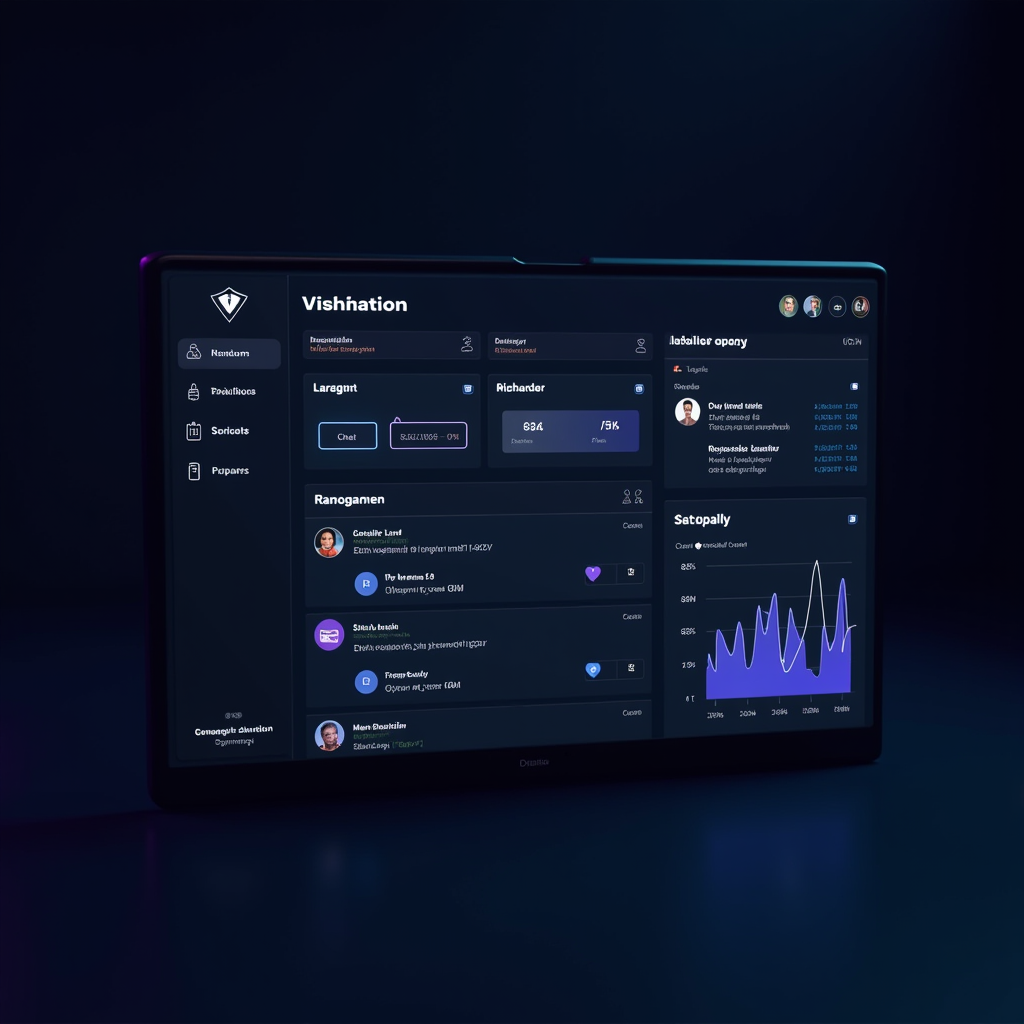
A professional dashboard interface showing Riot Games Valorant moderation system with AI-assisted detection panels, real-time chat monitoring screens, penalty tracking graphs, and transparent reporting statistics demonstrating the enhanced tools that reduced toxic behavior and rebuilt player trust
September 15, 2024

Valorant's Success in Reducing Toxicity

A case study examining Riot Games' enhanced reporting and moderation tools in Valorant, analyzing the specific features that contributed to measurable decreases in chat abuse, including AI-assisted detection, faster response times, and transparent penalty systems that rebuild player trust.

Read Full Article
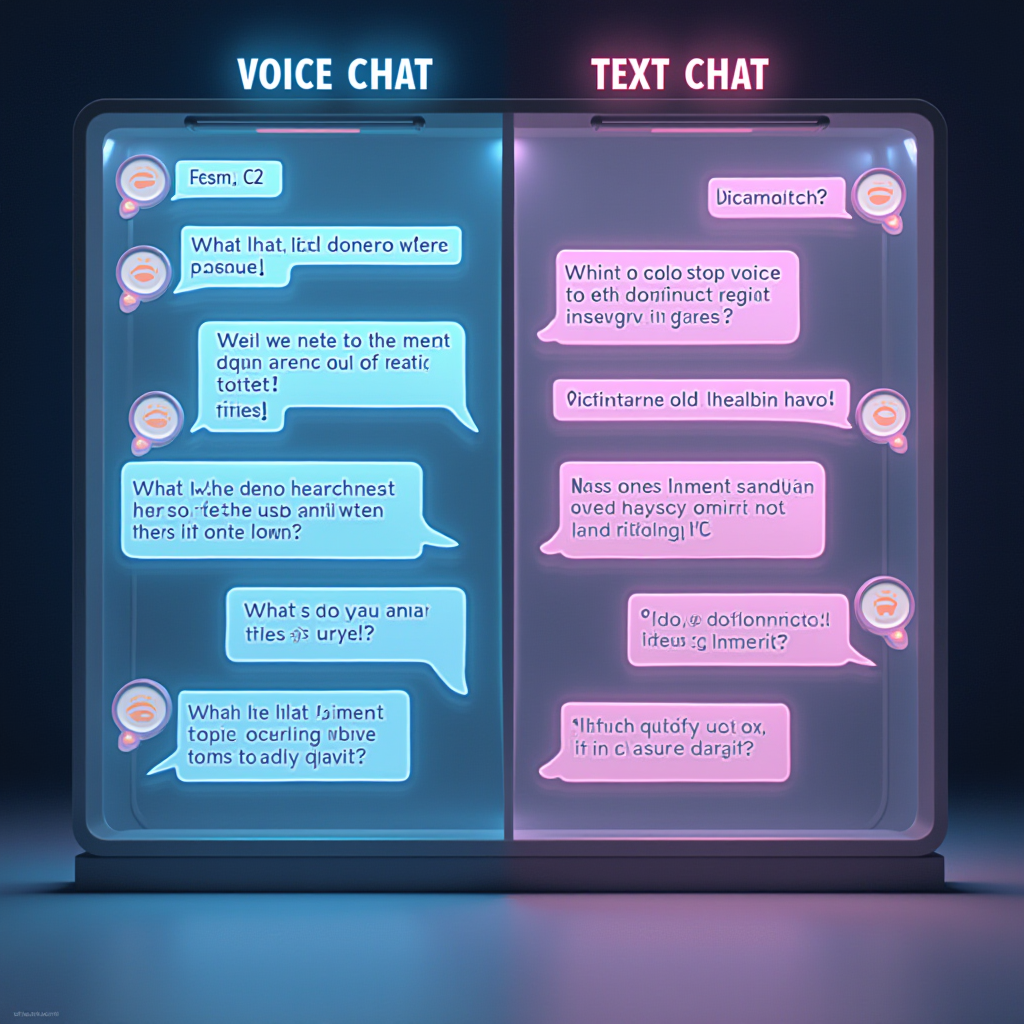
A split-screen comparison showing voice chat and text chat interfaces from CS2, Overwatch 2, and League of Legends, with visual indicators of different harassment patterns, speech bubbles representing immediacy versus permanence, and data visualization charts comparing toxic behavior metrics across communication methods
November 8, 2024

Voice vs Text: Toxicity Across Channels

A comparative analysis of toxic behavior patterns across different communication channels in games like CS2, Overwatch 2, and League of Legends, exploring how voice chat's immediacy and text chat's permanence each contribute to different forms of harassment and abuse.

Read Full Article